Going away and worried about how your cat is going to react? Here’s a quick overview of preventing separation anxiety in cats.
Cats are known for their independent nature, but they can still experience separation anxiety when left alone for extended periods. Separation anxiety in cats can lead to destructive behaviors, excessive meowing, and stress-related health issues. As responsible cat owners, it’s crucial to take proactive steps to prevent and manage separation anxiety. In this article, we will explore effective strategies that can help promote a contented and well-adjusted kitty, even when you’re away.
- Gradual Desensitization: When leaving your cat alone for longer durations, it’s essential to gradually desensitize them to your departures. Start by leaving the house for short periods, and gradually increase the duration over time. This process helps your cat become accustomed to your absence and reduces the anxiety associated with sudden departures.
- Establish a Consistent Routine: Cats thrive on routine, and having a predictable daily schedule can help alleviate anxiety. Maintain consistent feeding times, play sessions, and litter box cleaning routines. By establishing a structured routine, your cat will feel more secure and reassured, knowing that their needs will be consistently met.
- Environmental Enrichment: Creating a stimulating and enriching environment is vital in preventing separation anxiety. Provide interactive toys, scratching posts, and puzzle feeders to keep your cat mentally and physically engaged. Consider setting up a window perch or bird feeder outside to offer visual stimulation. A well-enriched environment can help distract and entertain your cat during your absence.
- Safe Spaces: Designate a safe and comfortable area in your home where your cat can retreat when feeling anxious. This space should include their bed, favorite toys, and a scratching post. Ensure it is a quiet area, away from noise and foot traffic. Encourage your cat to use this space by making it cozy and inviting.
- Scent and Sound Association: Leave behind familiar scents and soothing sounds to provide comfort in your absence. An unwashed t-shirt or bedding with your scent can offer reassurance to your cat. Additionally, playing soft classical music or using a white noise machine can create a calming atmosphere.
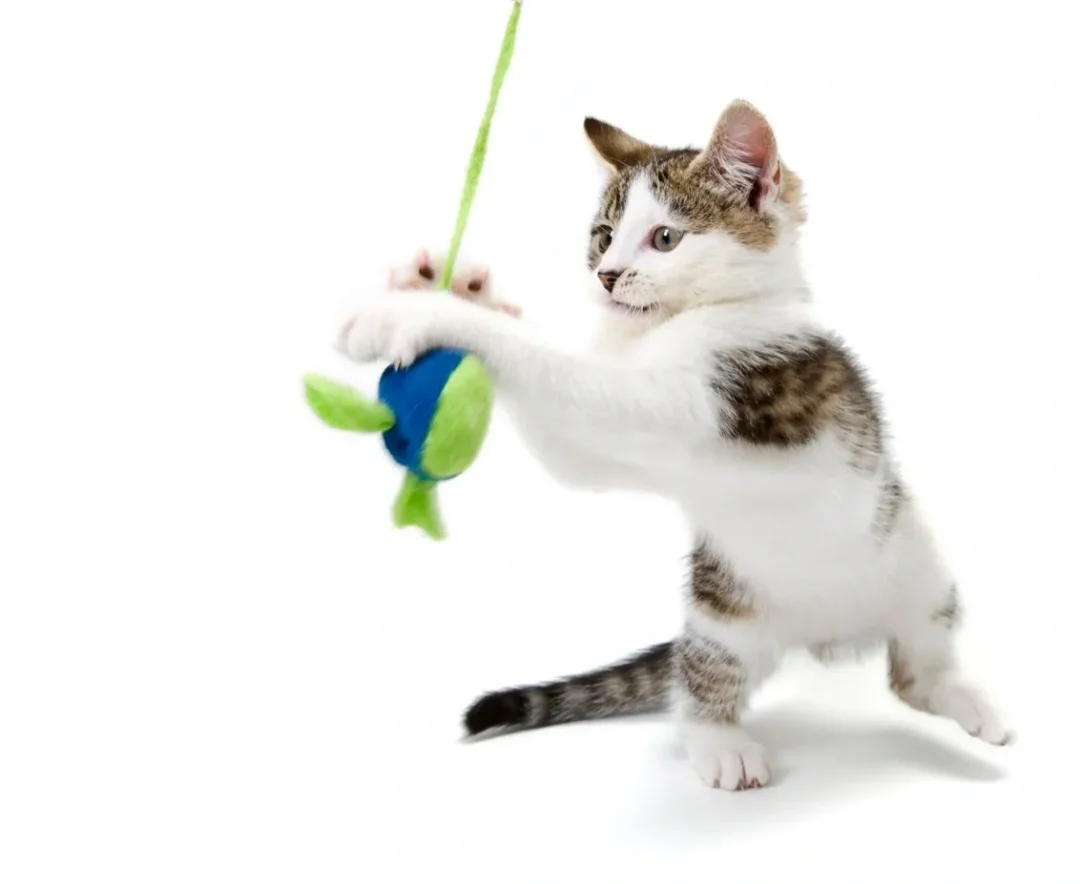
- Interactive Toys and Treats: Engage your cat in interactive play before you leave. Use toys that encourage exercise and mental stimulation. Puzzle toys or treat-dispensing toys can keep your cat occupied and provide a positive association with your departure.
- Consider a Feline Companion: If your lifestyle allows, consider adopting another cat as a companion for your furry friend. Having a feline companion can help alleviate separation anxiety and provide social interaction and playtime when you’re not around. However, introduce the new cat slowly and ensure compatibility before leaving them alone together.
- Professional Cat Sitters: Engaging the services of a professional cat sitter can be immensely beneficial in preventing separation anxiety. A cat sitter can provide companionship, playtime, and attention when you’re away, reducing your cat’s feelings of loneliness and anxiety.
Conclusion: Preventing separation anxiety in cats requires patience, consistency, and understanding. By implementing these strategies, you can help your feline friend feel more secure and content when you’re not at home. Remember to consult with your veterinarian if your cat’s anxiety persists or worsens despite your efforts. With the right approach and care, you can ensure a happy and stress-free environment for your beloved kitty.