Cats are mysterious and fascinating creatures, known for their enigmatic behaviors and expressions. Understanding your cat’s body language is essential for building a strong, empathetic relationship with your feline friend. This guide delves into the subtle cues and behaviors of cats, helping owners communicate more effectively with their pets.
Tail Talk
The tail is a powerful communication tool for cats. Here’s how to interpret its signals:
- Upright Tail: When your cat holds its tail high, it’s a sign of confidence and contentment. An upright tail with a slight curve at the tip is often a friendly greeting.
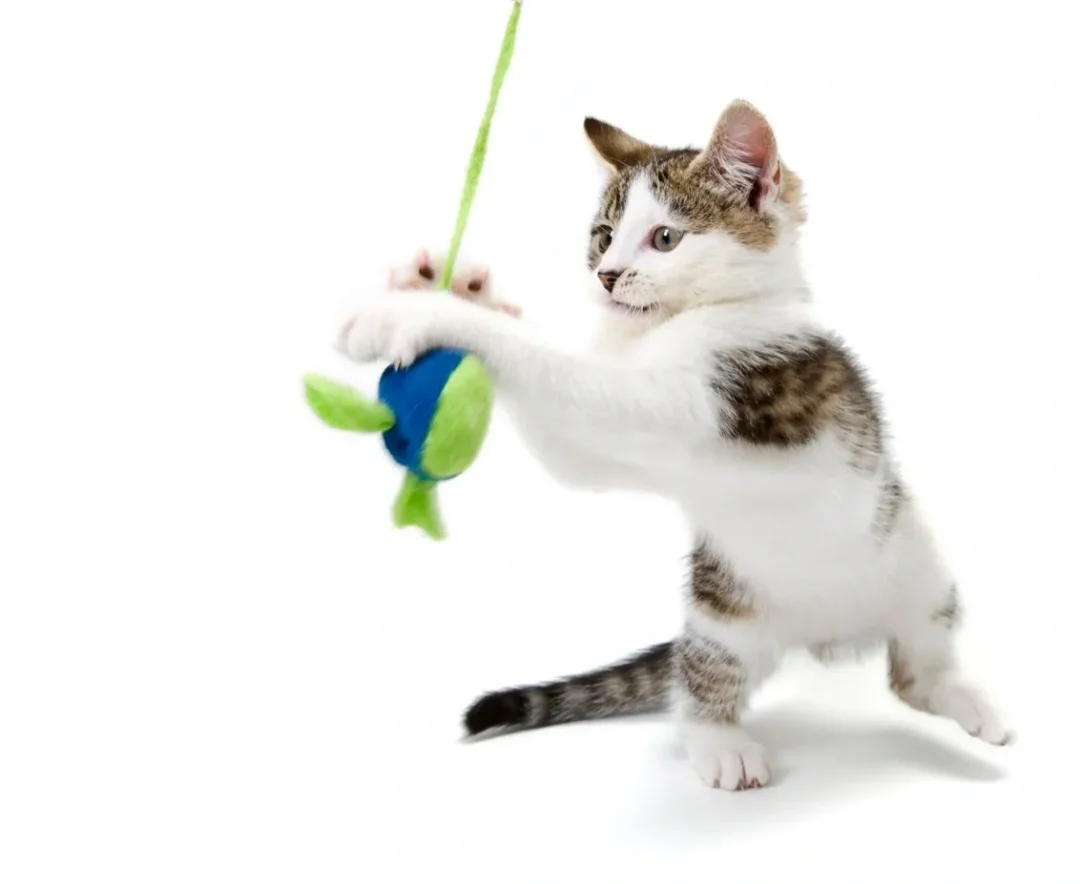
- Twitching Tail: A lightly twitching tail tip can indicate excitement or concentration, especially during play. However, vigorous twitching may signal irritation.
- Tail Wrapped Around the Body: A tail wrapped tightly around the body suggests your cat may be feeling anxious or unsure.
- Puffed Tail: A tail that’s puffed up is a sign of fear or aggression. It’s a defensive posture, making them appear larger to scare off threats.
The Eyes Have It
A cat’s eyes are expressive and can convey a wide range of emotions:
- Slow Blinking: Slow blinks are the cat’s version of a kiss, signifying trust and affection. You can slow blink back to return the sentiment.
- Dilated Pupils: Wide pupils can indicate excitement, fear, or playfulness, depending on the context.
- Constricted Pupils: Narrowed pupils may denote aggression or annoyance, but in bright light, this is a natural response.
Ear Positions
Ears are another key to understanding a cat’s mood:
- Forward Ears: When a cat’s ears are standing erect and facing forward, it’s typically a sign of interest or happiness.
- Swiveled Sideways or Back: This can indicate irritation or anxiety. If the ears are flattened against the head, your cat might be feeling threatened or aggressive.
Vocalizations
Cats use a variety of sounds to communicate, each with its own meaning:
- Purring: Often a sign of contentment, though it can also indicate pain or distress in some contexts.
- Meowing: Cats meow for many reasons, from greetings to demands for attention or food. The tone, volume, and context can help you decipher the message.
- Hissing or Growling: These sounds are clear warnings. Your cat is feeling threatened and is ready to defend itself.
Body Posture
The overall posture of your cat can provide insights into their emotional state:
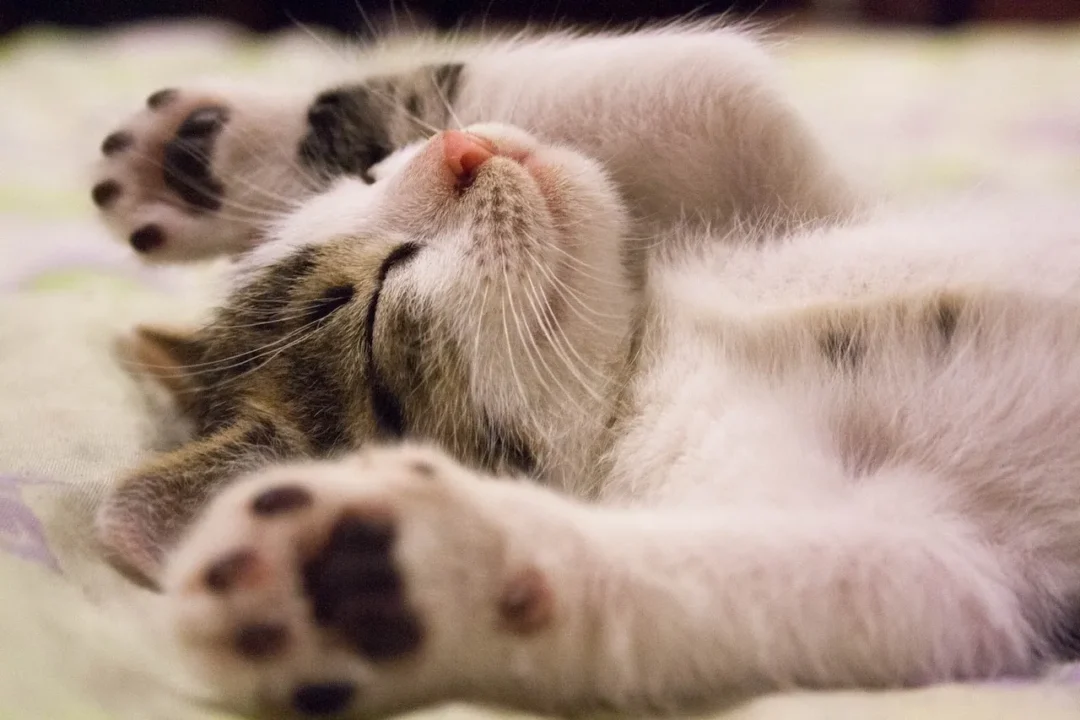
- Relaxed Posture: A relaxed cat will have a soft, un-tensed body. If lying down, they might stretch out or roll over, showing trust and contentment.
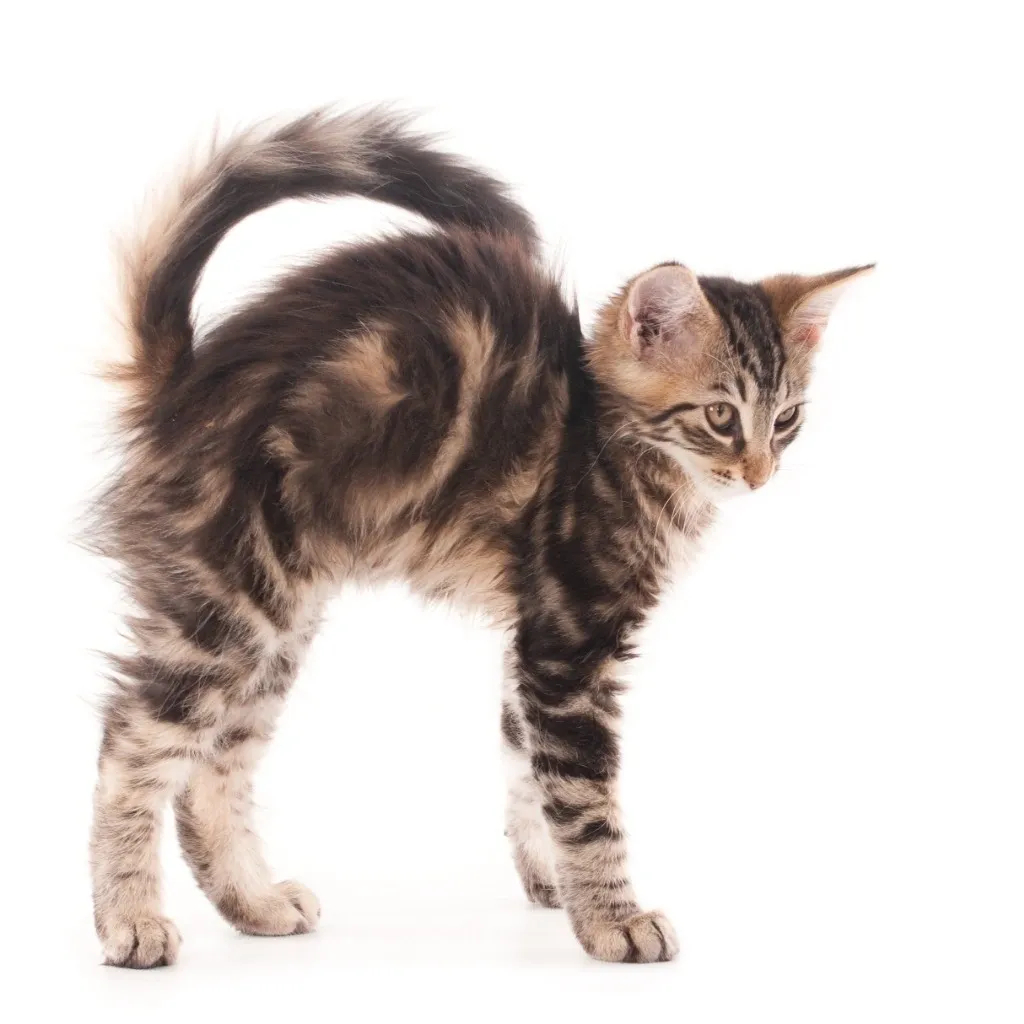
- Arched Back: An arched back with fur standing on end is a defensive posture, aimed at appearing larger to ward off danger.
- Crouched Position: If your cat is crouched with its ears back, it may be scared or preparing to pounce.
Understanding what your cat is saying is a journey. Each cat is an individual with unique ways of expressing themselves. By paying attention to these cues and responding accordingly, you can deepen your bond with your cat, ensuring a happy and harmonious relationship. Remember, patience and observation are key. Your feline friend will appreciate your efforts to understand and communicate in their language.