Cats are mysterious creatures with a language of their own. They communicate not only through vocalizations but also through subtle body language cues. As a cat owner, being able to interpret your feline companion’s body language can provide valuable insights into their feelings and needs. In this article, we will explore the various aspects of feline body language and help you decipher what your cat may be trying to convey.
Tail Position
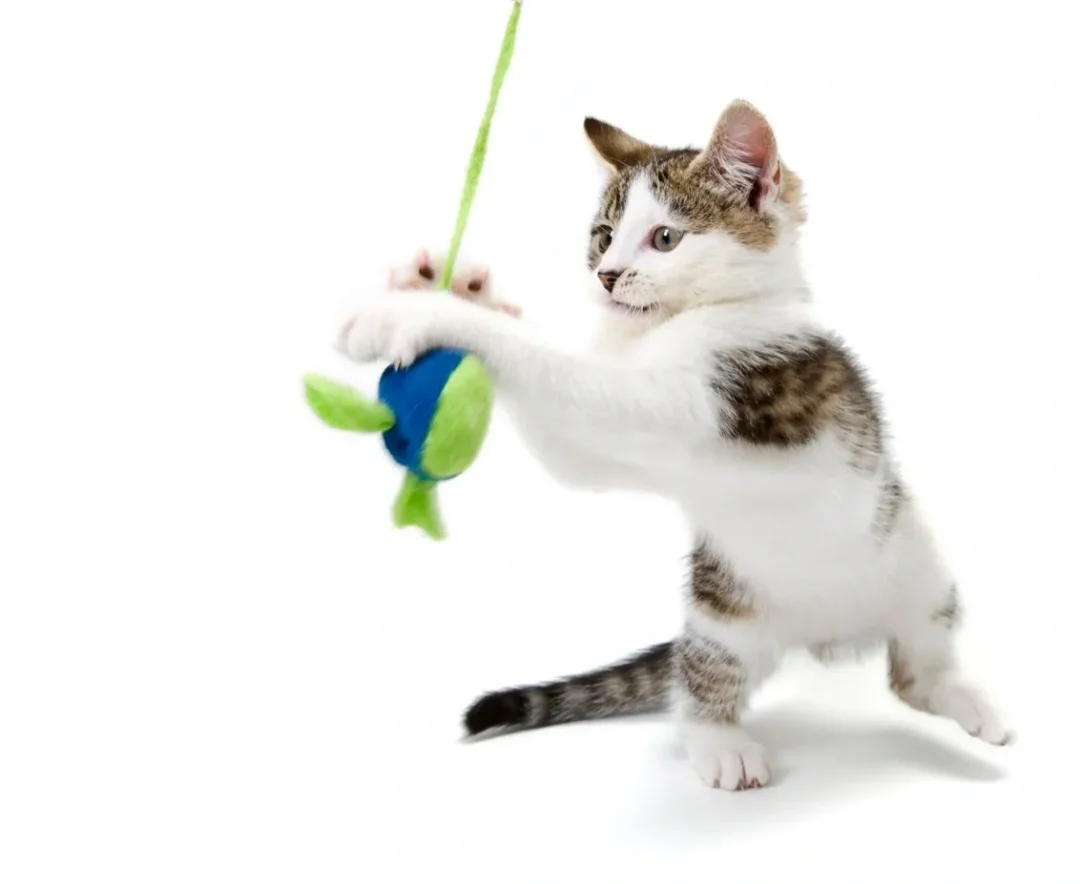
A cat’s tail can convey a wide range of emotions. A straight-up tail typically signifies a content and confident cat, while a lowered tail may indicate submission or uncertainty. If the tail is puffed up, it’s a sign of fear or agitation. Watch for slow, gentle tail flicks, which could imply annoyance and rapid flicking may signal excitement or playfulness.
Ears
Cats use their ears to express their emotions as well. When the ears are erect and facing forward, your cat is likely alert and curious. However, flattened ears against the head indicate fear, aggression, or discomfort. Ears that are slightly turned back may indicate that your cat is feeling unsure or anxious.
Purring
Purring is one of the most recognizable cat behaviours. While it is often associated with contentment, cats may also purr when they are in pain or distress. Pay attention to other body language cues to determine the context in which your cat is purring.
Meowing
Cats meow for various reasons, and each meow may carry a different meaning. Short, soft meows often signify a friendly greeting, while long, persistent meows may indicate hunger or a desire for attention. If your cat’s meow is intense or different from their usual vocalizations, it might be a sign of discomfort or distress.
Kneading (Making Biscuits!)
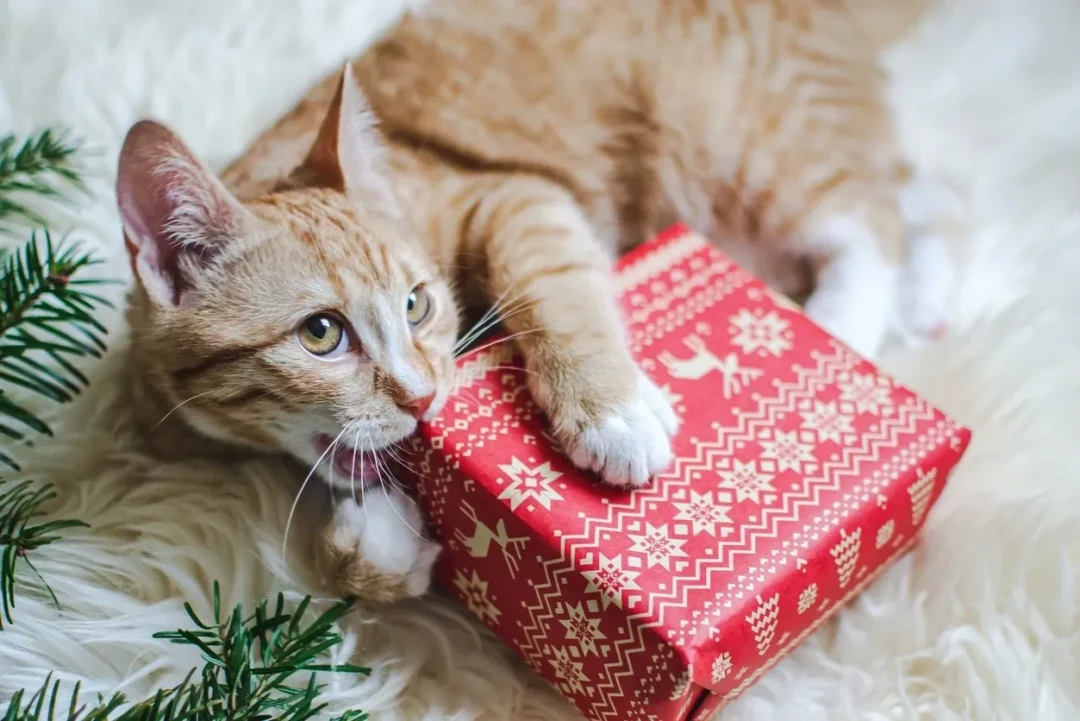
When cats knead with their paws, pressing them against a surface, it is often associated with feelings of comfort and contentment. This behaviour is reminiscent of kittenhood when they knead their mother’s belly to stimulate milk flow.
Slow Blinking
A slow blink from your cat is a sign of trust and affection. It is often referred to as a “cat kiss.” If your cat blinks at you with relaxed eyes, reciprocate with a slow blink back to strengthen the bond.
Arched Back
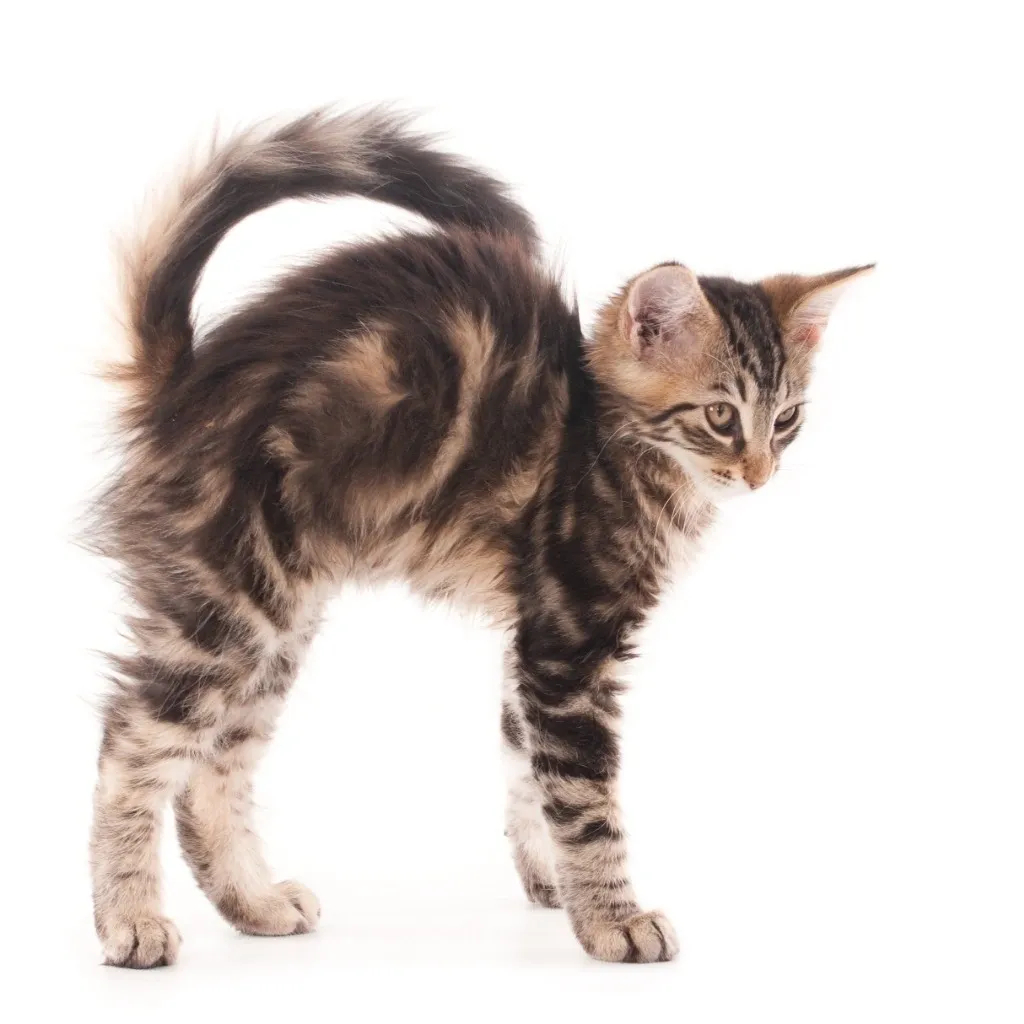
An arched back with raised fur is a defensive posture cats adopt when feeling threatened or scared. This is an attempt to appear larger and more intimidating to potential threats.
Rolling Over
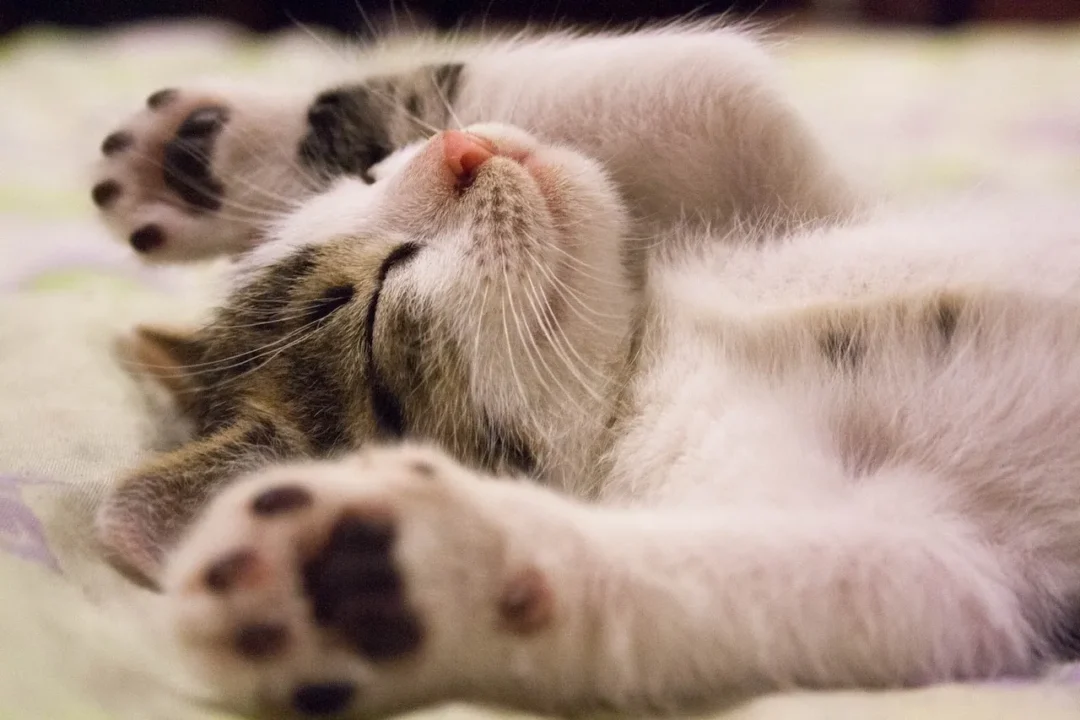
When your cat rolls onto their back, it may seem like an invitation for a belly rub, but this behaviour is not always an invitation for affection. Some cats roll over to display trust, while others do it as a defensive gesture to protect their belly, which is a vulnerable area.
Understanding feline body language is an essential skill for any cat owner. By paying attention to their tail, ears, vocalizations, and other subtle cues, you can gain valuable insights into your cat’s emotions and needs. Remember that each cat is unique, and their body language may vary depending on their personality and past experiences. By building a strong bond and observing your cat’s behaviour over time, you’ll become more adept at deciphering their mysterious language and providing them with the love and care they deserve.