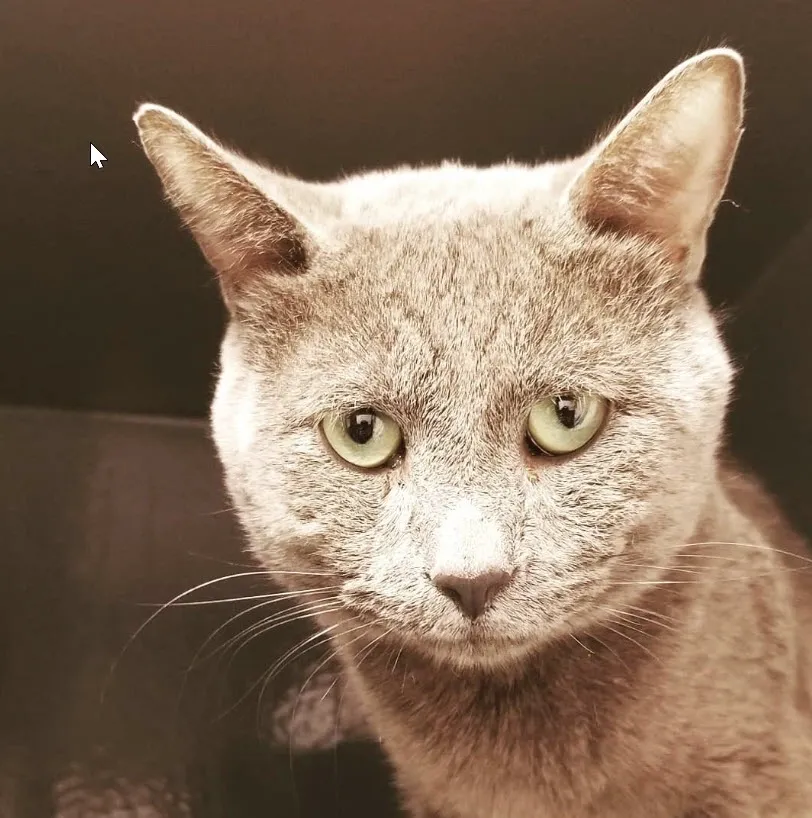
Got a senior kitty? Here are some essential aspects of caring for senior cats and offer practical tips to help you meet their specific requirements.
As our feline companions enter their golden years, they require extra love, care, and attention to ensure their well-being and quality of life. Senior cats have unique needs that differ from those of younger felines. Understanding and addressing these needs are crucial for providing them with the best possible care.
- Regular Veterinary Check-ups: Senior cats should have regular visits to the veterinarian for comprehensive health check-ups. These visits allow for early detection and management of age-related conditions such as arthritis, dental issues, kidney disease, and hyperthyroidism. Routine blood tests and physical examinations can provide valuable insights into your cat’s overall health and help prevent or treat any potential health concerns.
- Balanced Nutrition: Aging cats have different nutritional requirements compared to their younger counterparts. Consult with your veterinarian to ensure your senior cat is receiving an appropriate diet. They may recommend specialized senior cat food that is formulated to address age-related health issues and provide optimal nutrition. Monitor your cat’s weight and adjust their diet accordingly to prevent obesity or excessive weight loss.
- Joint Health and Mobility: Arthritis and reduced mobility are common issues in senior cats. Help alleviate discomfort by providing soft, comfortable bedding and litter boxes with low sides for easy access. Consider providing ramps or steps to help them reach their favorite elevated spots. Additionally, your veterinarian may recommend supplements or medications to support joint health and reduce inflammation.
- Dental Care: Maintaining good dental hygiene becomes increasingly important as cats age. Regular brushing, dental treats, and appropriate chew toys can help promote dental health. Schedule regular dental cleanings with your veterinarian to prevent dental disease and related complications.
- Environmental Adaptations: Make necessary adjustments to your home environment to accommodate your senior cat’s needs. Ensure litter boxes are easily accessible and placed on the same level as their usual living area. Provide multiple cozy resting spots throughout the house, including heated beds to soothe any achy joints. Minimize environmental stressors and provide a quiet, calm space where your senior cat can relax undisturbed.
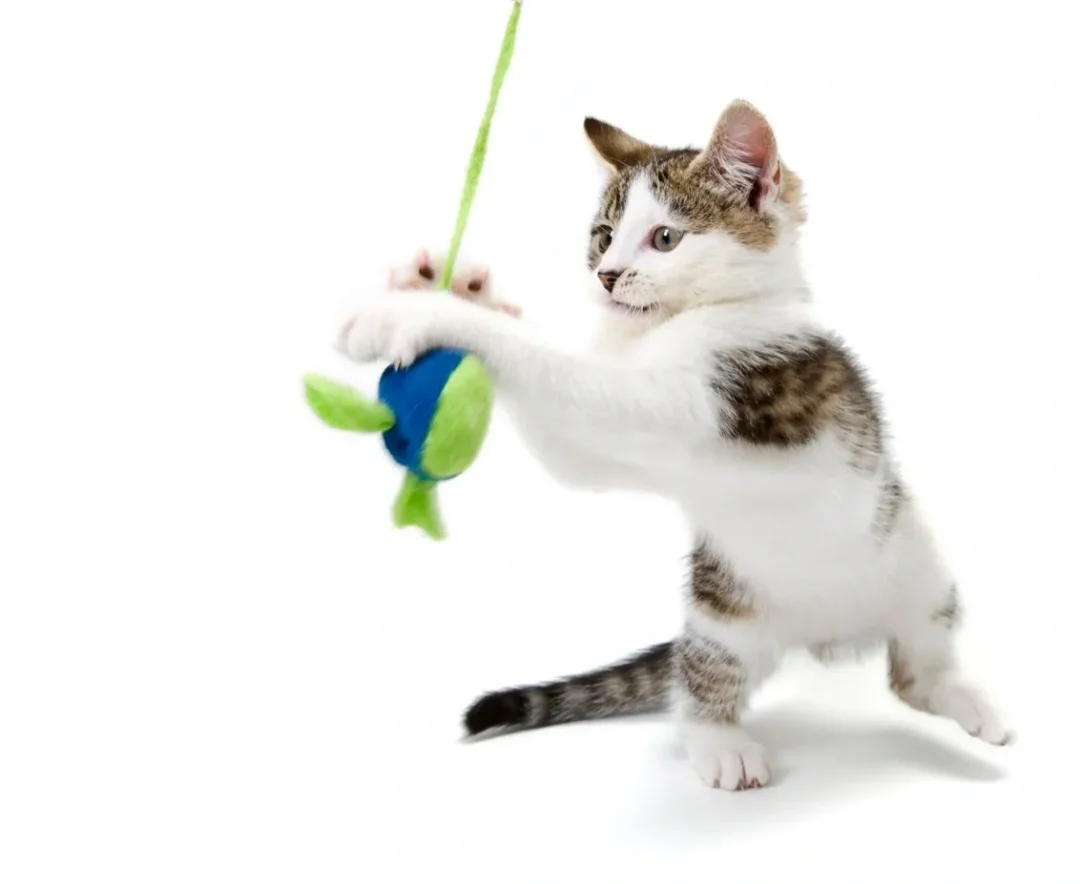
- Mental Stimulation: Keep your senior cat mentally engaged to prevent cognitive decline. Interactive toys, puzzle feeders, and gentle play sessions can help stimulate their minds and maintain cognitive function. Provide opportunities for exploration and environmental enrichment to keep their brains active and engaged.
- Monitor Hydration: Senior cats may have a decreased thirst response, making them prone to dehydration. Ensure fresh water is readily available and consider using water fountains to encourage drinking. Wet food can also contribute to their hydration levels.
- Love and Attention: Senior cats thrive on love and companionship. Spend quality time with your aging feline, offering gentle grooming, cuddles, and reassurance. Engage in low-impact play to keep them physically active and emotionally fulfilled.
Caring for senior cats requires a tailored approach to meet their evolving needs. By providing regular veterinary care, appropriate nutrition, a comfortable environment, and mental stimulation, you can ensure a happy and healthy life for your aging feline friend. Shower them with love, patience, and attention as they navigate their senior years, and cherish the special bond you share.